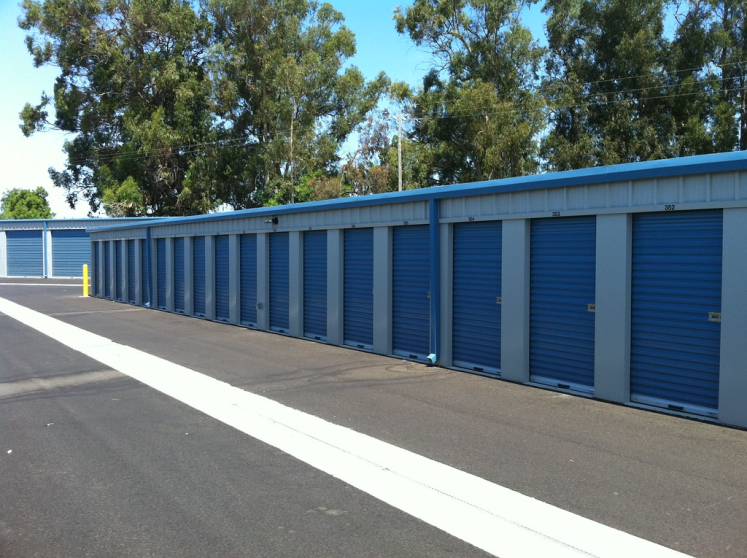
In today’s competitive marketplace, businesses are continually seeking efficient and cost-effective solutions to their operational challenges. One such option gaining popularity is self-storage facilities. But how can these spaces serve the needs of a business? In this article, we’ll explore the benefits, potential uses, and considerations when thinking about utilizing self-storage for commercial purposes.
Table of Contents
- Benefits of Using Self Storage for Business
- Common Uses of Self Storage in Business
- Key Considerations Before Renting
- Frequently Asked Questions
Benefits of Using Self Storage for Business
Self-storage offers numerous advantages for entrepreneurs and small business owners alike:
- Cost-Effective Solution: Renting commercial space can be expensive. Self-storage facilities provide a more affordable alternative without long-term commitments.
- Flexibility: Storage units come in various sizes and terms, allowing businesses to scale up or down based on their changing needs.
- Security: Most facilities offer advanced security measures like surveillance cameras and gated access, ensuring valuable inventory is kept safe.
- Accessibility: Many storage providers allow 24/7 access, enabling businesses to retrieve items whenever necessary.
Common Uses of Self Storage in Business
Businesses leverage self-storage in various ways, including but not limited to:
1. Inventory Management
For e-commerce businesses or seasonal retailers, self-storage can be an ideal location for excess stock that isn’t needed on-site.
2. Document Storage
Storing important documents offsite can free up office space while ensuring compliance with data protection regulations.
3. Equipment Storage
Service-based businesses can use self-storage to house equipment, tools, or promotional materials, making them readily accessible without the burden of additional overhead costs.
4. Temporary Solutions
If your business is in transition—be it relocating or renovating—self-storage serves as a temporary solution to keep your assets secure.
Key Considerations Before Renting
Before deciding to rent a self-storage unit for business purposes, consider the following factors:
- Location: Choose a facility that is conveniently located to minimize transport time and costs.
- Size and Space: Assess what you plan to store; select a unit that meets your current can i use self storage for business? needs with room for future growth.
- Access Hours: Ensure the facility’s access hours align with your business operations.
- Terms and Conditions: Understand the rental agreement, particularly regarding fees, insurance options, and late payment policies.
Frequently Asked Questions
Is self-storage safe for my business inventory?
Yes, most self-storage facilities have security systems in place, including surveillance cameras and individual locks, making them a safe option for storing inventory.
Can I run my business from a self-storage unit?
No, running a business directly from a storage unit is typically against the rental agreement conditions at most facilities, as they do not permit retail operations or client interactions on-site.
What size storage unit do I need for my business?
The required size depends on the quantity and type of items you plan to store. It’s wise to assess your needs and consult with storage facility staff for recommendations.
Are there any hidden fees associated with renting a storage unit?
While many facilities advertise low base rates, be sure to inquire about additional charges, such as administrative fees, insurance, and late payment penalties.
In conclusion, using self-storage for business is a viable solution for many companies looking to manage inventory, documents, or equipment efficiently. By understanding the benefits, common applications, and critical considerations, you can make an informed decision that aligns with your business goals.
“`
from Blog https://ift.tt/UEKW1Jd
via IFTTT


